

Curaçao North Sea Jazz 2026 Brings Global Stars and Caribbean Sounds Together

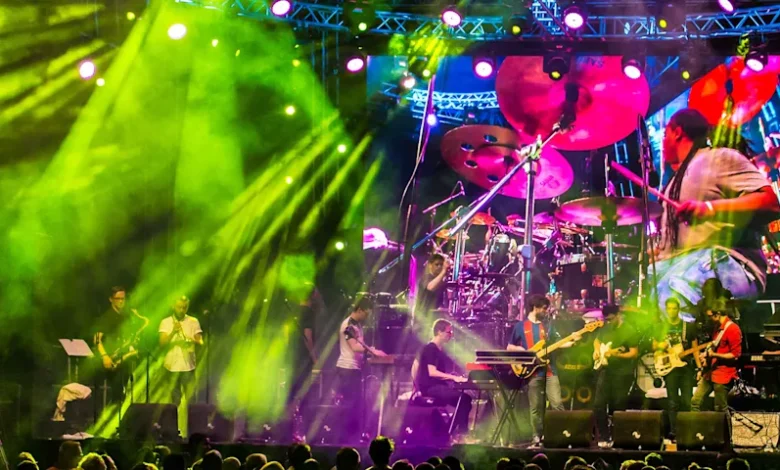
The Curaçao North Sea Jazz Festival is once again bringing together major international artists and Caribbean sounds, turning the Dutch Caribbean island into a meeting point for global music this week.
The 2026 edition opened Tuesday, September 1, with a free concert at Kurá Hulanda Village featuring Cuban singer, pianist and producer Afro 23. The festival’s three main stage days follow at the World Trade Center in Piscadera Bay, running Thursday, September 3 through Saturday, September 5.
A Caribbean Festival With Global Reach
Since its first edition in 2010, Curaçao North Sea Jazz has developed into one of the Caribbean’s major international music events, born as the Caribbean sister festival to the historic North Sea Jazz Festival in Rotterdam. Previous editions have brought artists including Prince, Stevie Wonder, Bruno Mars, Sting, Alicia Keys and Lionel Richie to the island.
Its appeal comes partly from the way it brings artists from different musical worlds together on the same stages across a single weekend. For Caribbean audiences, the festival offers major international performers close to home. For visiting audiences, it provides an opportunity to experience Curaçao while seeing artists from across the global music industry.
The 2026 Lineup, Day by Day
Thursday, September 3 is set to feature Gente de Zona and Alain Pérez y La Orquesta. Friday, September 4 brings Rubén Blades’ Fotografías Tour with the Roberto Delgado Big Band, along with Toto, Monty Alexander Jamericana, PJ Morton, Sean Paul, The Jacksons and Aruban rapper Jeon. Saturday, September 5 closes the festival with J Balvin, Jon Batiste, the Al Di Meola Ensemble, Branford Marsalis and Dianne Reeves celebrating John Coltrane, Kassav’, Stephen Marley and a second appearance from Afro 23.
Dancehall and Reggae on the Bill
The presence of Sean Paul and Stephen Marley is significant for Caribbean music fans. Both artists represent Jamaican musical traditions that have developed international audiences over decades. Sean Paul, one of dancehall’s most successful global artists, is scheduled to bring hits like “Get Busy” and “Temperature” to the island on Friday. Their inclusion alongside jazz, Latin and pop performers reflects the increasingly fluid nature of global music festivals, where genres that once occupied separate spaces now share stages and audiences.
Latin Music and Caribbean Culture
J Balvin’s appearance on Saturday reflects the continued strength of Latin music in the international market. Curaçao sits within a culturally diverse Caribbean environment shaped by Dutch, Latin American, African and Caribbean traditions, and a festival that brings together Latin, Caribbean and international artists fits naturally into that cultural landscape. Aruban rapper Jeon’s Friday appearance adds another regional connection, having built international recognition through collaborations with J Balvin, Anitta and Nicky Jam.
The Business of Music Festivals
For music marketers, festivals are more than concerts. They are brand platforms. A major festival creates opportunities for artists to reach new audiences, strengthen visual identity, generate social-media content and build international relationships. It can also create tourism demand around the event, with visitors booking travel specifically to attend. That makes Curaçao North Sea Jazz an interesting case study in how music, destination marketing and entertainment can work together.
Why the Event Matters
The international lineup demonstrates how Caribbean locations can attract major global entertainment properties, from arena-level pop and reggae acts to jazz legends and Latin superstars on a single bill. It also reinforces that Caribbean audiences are an important market in their own right. Events such as Curaçao North Sea Jazz bring local audiences and the international touring industry into the same space, creating value on both sides.
What to Watch
The festival is worth watching not only for the performances themselves but also for collaborations, audience reactions and social-media moments throughout the three main stage days. Those moments can extend an artist’s reach long after a festival stage has gone quiet. For Caribbean music marketers, that ripple effect, the content and conversation that continues well beyond the weekend itself, is one of the biggest opportunities a festival like this creates.
image sources
- Curaçao North Sea Jazz 2026: Curaçao North Sea Jazz 2026
