

Notting Hill Carnival at 60: How Caribbean Culture Built One of the World’s Biggest Festivals

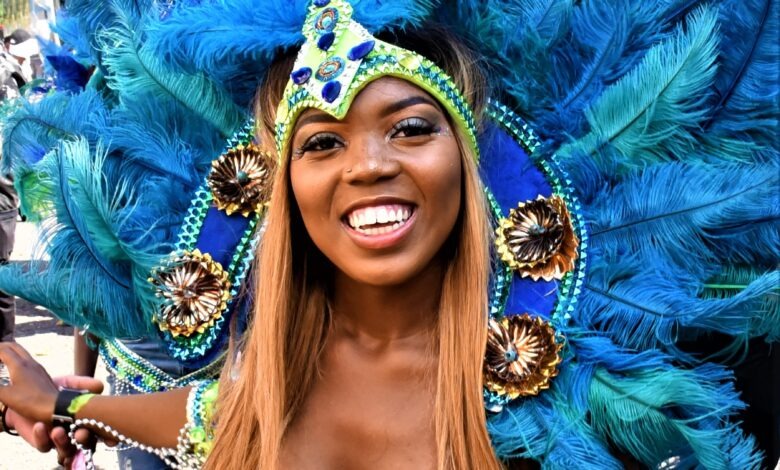
Notting Hill Carnival has reached a milestone that few cultural events can match: 60 years of Caribbean music, creativity, community and celebration transforming west London.
The 2026 edition marked the carnival’s Diamond Jubilee. The official organization describes Notting Hill Carnival as Europe’s largest cultural event and the world’s second-largest carnival.
Its modern scale, however, can obscure the community story at the beginning.
In 1966, local resident and social worker Rhaune Laslett organized a children’s street party in a neighborhood affected by conflict, racial tension and poor housing. That community event became part of the foundation for the carnival that developed over the following decades.
The wider history of Caribbean carnival in Britain also includes Trinidadian activist Claudia Jones, who organized an indoor Caribbean Carnival at St Pancras Town Hall in 1959 following the racial tensions surrounding the Notting Hill riots of 1958.
Those early celebrations demonstrated the power of culture to create community and visibility. Six decades later, that purpose remains part of Notting Hill Carnival’s identity.
The 2026 programme began with Panorama, the UK National Steelband Competition, on August 29. Sunday featured J’ouvert and Children’s Day, along with sound systems and stages. Monday brought the main parade, sound systems and stages.
Music sits at the heart of that experience.
Steelpan creates a direct connection to Trinidad and Tobago. Calypso and soca are part of the broader Caribbean musical tradition, while reggae, dancehall and sound-system culture have become essential to the carnival’s British identity.
Sound systems deserve special attention because they helped create a musical culture that was distinctly Caribbean British. DJs, selectors and sound crews gave audiences different styles and created a competitive but communal environment across the streets.
That influence reaches far beyond Carnival. Caribbean sound-system culture has helped shape British music, nightlife and DJ culture, while Carnival has provided a major public platform for Caribbean music.
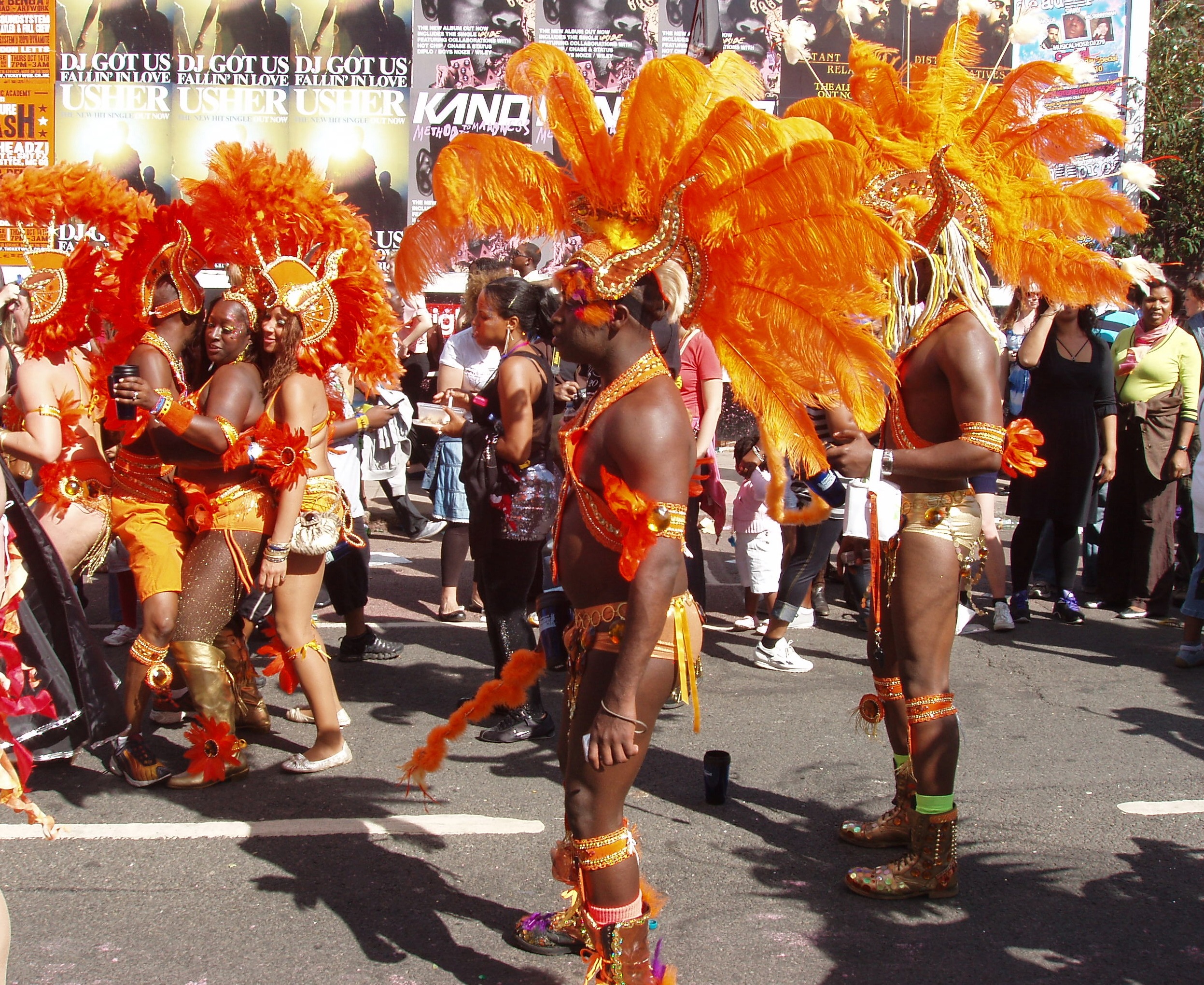
Mas is equally important. Costume bands spend months preparing designs that may be worn publicly for only a short time. Designers, seamstresses, wire-benders, volunteers and bandleaders contribute to bringing those presentations to life.
The costumes are therefore not simply decoration. They are part of a performance tradition that combines design, identity, movement and storytelling.
For generations of Caribbean families in Britain, Carnival also provides a connection to heritage. Parents introduce children to the music and costumes, while younger participants reinterpret those traditions through new sounds, fashion and digital culture.
That ability to evolve is one reason the carnival has survived.
The 60th anniversary also highlighted the scale of the event. Official and media reporting expected around two million people across the 2026 celebration. Google marked the milestone with a dedicated Doodle, while London Mayor Sadiq Khan reflected publicly on Carnival’s role in community and inclusion.
But Notting Hill Carnival is more than a large festival.
Its roots are connected to migration, racial tension, community organization and the struggle for Caribbean visibility in Britain. Music became a way of expressing identity. Costumes became a way of displaying creativity. The parade became a way of taking public space.
The community kept the tradition alive.
Today, the event is also part of London’s international cultural image. Visitors arrive from across Britain and overseas, creating opportunities for performers, designers, vendors and other creative businesses.
That scale brings an important question: how does Carnival remain connected to the communities that created it while continuing to grow?
The answer lies with the people who make it happen. Sound crews, steelbands, musicians, costume designers, photographers, volunteers and masqueraders are not supporting characters. They are the cultural infrastructure of Carnival.
The 60th anniversary was therefore a chance to recognize the work behind the spectacle.
It was also a chance to look forward. The next generation will decide what Notting Hill Carnival sounds and looks like. New artists will bring new music. New designers will reinterpret mas. New DJs will introduce new sounds.
That is how traditions survive. They evolve without losing their roots.
Notting Hill Carnival’s 60th anniversary is ultimately a celebration of the power of Caribbean culture to travel, adapt and influence the world.
From steelpan and calypso to reggae, dancehall, soca and sound-system culture, the carnival has become a living record of Caribbean Britain.
Sixty years later, the music may have stopped for another year, but the culture continues.
image sources
- Notting Hill Carnival Dancers: Notting Hill Carnival
- Notting Hill Carnival 2019: Notting Hill Carnival
