

Lavisch Steps Into a New Era With ‘Mind Games’ on the Mercy Lap Riddim

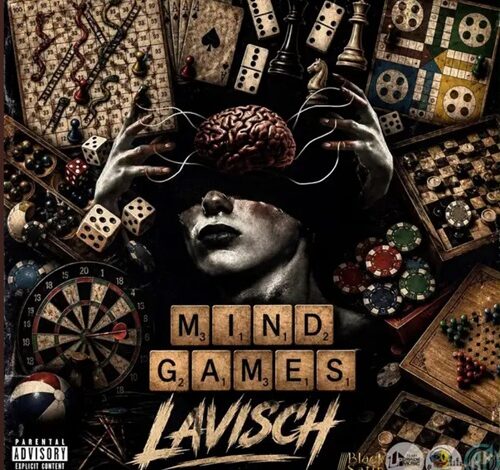
Jamaican singer and songwriter Lavisch is adding another chapter to her growing catalogue with “Mind Games,” a new dancehall single released through Ricco Records, Emoji Records, Black Satin Music and Team Upgrade Music.
The track arrived on August 18, 2026, riding the Mercy Lap Riddim, giving Lavisch another opportunity to introduce her sound to dancehall audiences while connecting her with a wider riddim project that also features dancehall star Valiant among its voicing artists.
Lavisch Brings Her Own Story to the Mercy Lap Riddim
Born Brittney Marshall on November 5, 1996, Lavisch grew up in Waterhouse, Kingston, and attended Kingston Technical High School. She developed a passion for music early, beginning her recording career as a teenager, and picked up her stage name directly from dancehall icon Bounty Killer after an electrifying performance at a Waterhouse stage show.
Her catalogue traces an international arc from the start. Her debut single, “Good Friends Hard to Find,” was produced by Ugandan producer Kaz, while her follow-up, “Irresponsible,” connected her with European production team Jugglers Records. Since then her releases have included “Dealings,” “Burn” and “Let Them Change,” alongside earlier work like “Better Days” and “Prepare.”
She’s been described as a melodic, conscious singer whose “message music” draws on relatable, everyday storytelling, giving “Mind Games” context as another step in an already-established creative journey rather than a first introduction to recording.
The Team Behind the Release
“Mind Games” brings together several Jamaican music companies. Ricco Records, led by producer Rick Foster, known professionally as Ricco Diplomats, is behind the release, while Emoji Records, Black Satin Music and Team Upgrade Music are also connected to the project. Team Upgrade created the Mercy Lap Riddim’s instrumental.
The riddim format remains central to how Caribbean music works. Multiple artists can record over a shared production, allowing different voices and perspectives to interpret the same musical foundation. Dancehall audiences can experience one rhythm through several performers while each artist still brings their own personality and delivery to the same track. Valiant’s presence on the Mercy Lap Riddim gives the project another recognizable dancehall connection alongside Lavisch.
A Growing 2026 Catalogue
“Mind Games” arrives during an active period for Lavisch. Streaming platforms list the single among a run of 2026 releases that also includes “Burn,” “Let Them Change,” “Only You” and “Deserve Everything,” along with several accompanying music videos.
Consistent releases are increasingly important for developing artists. Streaming platforms and social media allow musicians to reach audiences beyond Jamaica, but that same access also creates an environment where artists must compete constantly for attention. A growing catalogue gives listeners more entry points to discover an artist, and gives the artist more material to promote across videos, performances, playlists and social media. For Lavisch, “Mind Games” becomes another piece of that developing body of work.
Why the Release Matters
The single arrives as Jamaican dancehall continues reaching listeners well beyond the island. Digital distribution has changed how quickly a Jamaican release can travel, allowing a new song to reach Caribbean, North American, European and international audiences almost immediately. That creates real opportunities for emerging voices like Lavisch, but it also means every release now enters a highly competitive global marketplace. Releasing “Mind Games” in both explicit and radio versions gives it flexibility across different environments, from radio programming and public spaces to clubs, parties and digital audiences.
Collaboration and Caribbean Music
The network behind “Mind Games” highlights how modern Jamaican music gets built through collaboration. Artists, producers, labels, studios, selectors and digital platforms all play a role in turning a recording into a release that can actually reach listeners. For emerging artists, those relationships can be especially valuable. A producer can connect a singer with a new audience, while a shared riddim can place several artists within the same promotional cycle at once. That collaborative structure is part of the continuing strength of dancehall as a genre.
Looking Ahead for Lavisch
The next challenge for Lavisch is converting individual releases into sustained momentum. “Mind Games” gives her a new song to promote and perform while placing her directly within the Mercy Lap Riddim conversation. Her existing 2026 catalogue, with “Burn,” “Let Them Change,” “Only You,” “Deserve Everything” and other releases already on streaming platforms, gives listeners more than one side of her work to explore, and gives her team another opportunity to build fresh visuals and promotional content around a current release.
Lavisch’s Place in Today’s Dancehall
“Mind Games” ultimately represents more than another song on a riddim. It’s part of Lavisch’s continuing effort to establish herself within Jamaica’s competitive dancehall industry. Her story, from performing as a teenager in Kingston to building a catalogue of international collaborations and working with established production partners, reflects the long-term work required to build a real career in music.
The new single also demonstrates the continuing relevance of riddim culture. Producers create a shared musical foundation, and individual artists bring their own voices, experiences and styles to the same project. As Caribbean music continues reaching international audiences, artists like Lavisch have real opportunities to introduce Jamaican dancehall to listeners discovering the genre for the first time.
For DLB Music Marketing, “Mind Games” is a release worth watching because it highlights an emerging Jamaican voice while showing how producers, labels and artists continue to use collaboration and riddim culture to create new music for a global audience. Lavisch is still building her story, but “Mind Games” represents another meaningful step forward.
image sources
- Mind-Games-Artwork: Mind-Games